
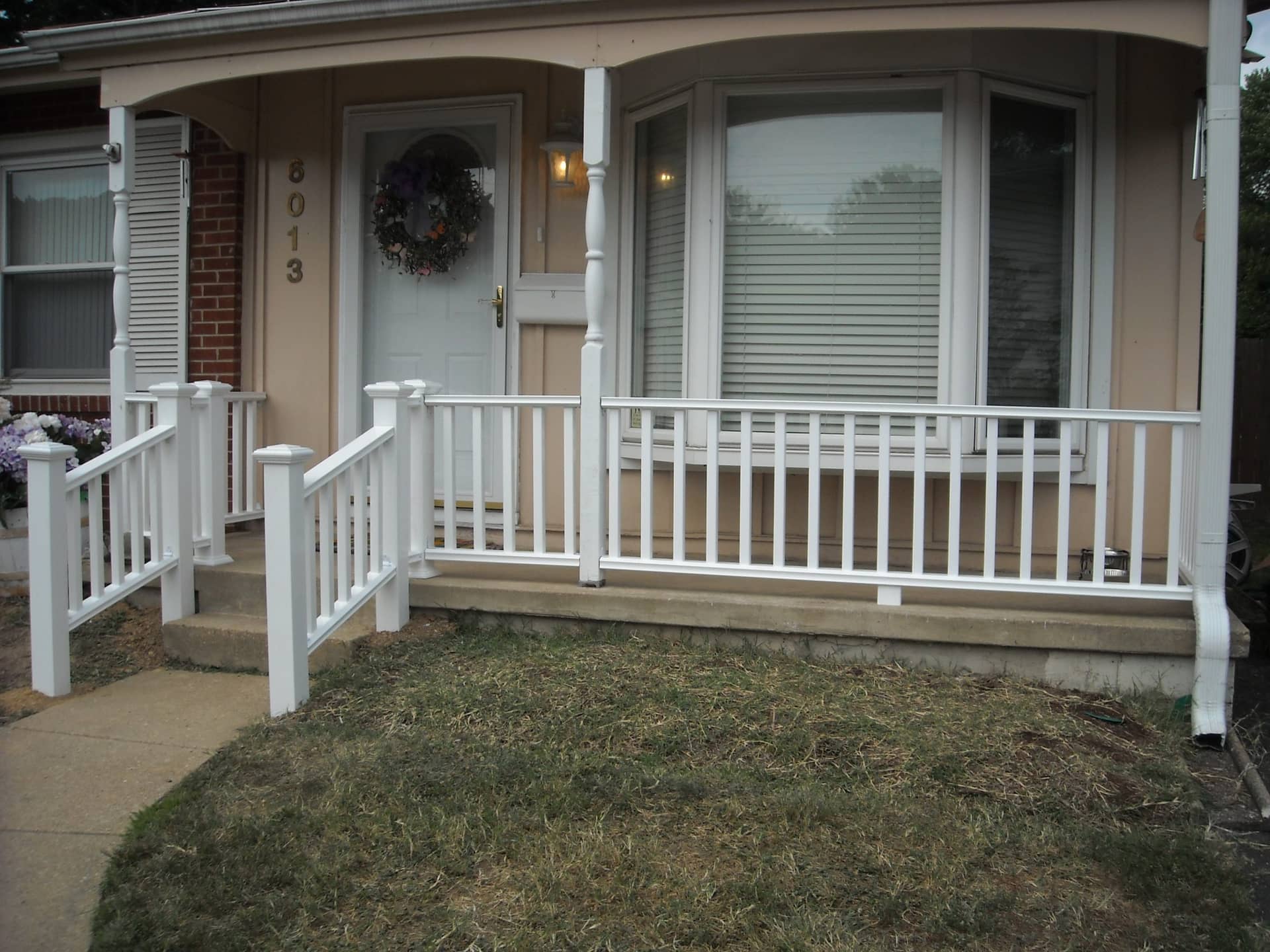
Decks and porches in Fredericksburg, Stafford, Spotsylvania, Woodbridge, Dumfries, and nearby Northern Virginia communities work through a demanding weather cycle: humid summers, thunderstorms, heavy rain, and the occasional tropical system. The real wear comes from repeated wetting and slow drying — the same weak points getting soaked and stressed season after season.
Small symptoms — a loose board, a rattly railing — can hide bigger problems. The same moisture that softens a board can soften a stair stringer, lean a post, or pull a ledger away from the house. This checklist helps you inspect the parts that carry weight, protect against falls, and keep water away from the house, and it helps you decide what is a reasonable DIY job versus work for a licensed handyman, contractor, or specialist.
Why Storm Season Is Hard on Virginia Decks
Virginia climate data notes a statewide 1991–2020 mean annual precipitation of 45.83 inches, and Atlantic hurricane season runs June 1 through November 30. In Northern Virginia, late summer and early fall are the highest-risk window for exterior structures.
For decks and porches, the danger is not one dramatic storm. It is repeated wetting and slow drying. Water collects in predictable spots:
- The ledger board where the deck meets the house
- Stair stringer ends and stair bottoms
- Railing post bases
- Joist hangers and metal connectors
- Board ends, cracks, and fastener holes
- Post bases and low areas where soil or mulch holds moisture
- Areas below clogged gutters or short downspouts
Wood decay is moisture-driven. USDA guidance is clear: serious decay becomes likely when wood stays wet for long periods, and water enters wood faster than it dries.
Start With a Safety-First Walkaround
Walk the deck slowly and look past the surface. Bring a flashlight, phone or camera, tape measure, work gloves, and an awl, ice pick, or small screwdriver for a gentle probe test. Use a ladder only if it can be set up safely.
Do not climb under or over a structure that feels unstable. If the deck moves, a railing shifts, stairs sag, or a post looks compromised, stop using that area until a qualified professional reviews it.
The Pre-Storm Checklist, in Risk Order
1. Ledger and Deck-to-House Connection
The ledger ties the deck to the house and carries much of its load. Check here first.
- A visible gap between the deck and the house
- A ledger that looks bowed, split, or pulling away
- Missing or damaged flashing
- Water stains below the connection
- Soft wood around the band board, rim, or siding
- Rusted, loose, or mismatched fasteners
If the deck is separating from the house, flashing is missing with water damage, or the connection cannot be verified, stop using the deck. Ledger repairs involve structural load paths, flashing, and wall assemblies — this is not a casual DIY patch.
2. Railings, Guards, and Stair Handrails
Railings are fall protection, not decoration. A railing that moves under hand pressure is a safety problem even if it looks fine.
- Posts that wobble, lean, or pull away from the base
- Guardrails along raised edges
- Missing balusters or infill
- Split or rotted posts
- Loose rails at corners, stairs, and landings
- Rusted or missing bolts, washers, and brackets
Tightening a single accessible fastener may be fine if the wood is sound. If a post is split, soft, or still moves after tightening, block access until a professional repairs it — do not rely on that guardrail.
3. Stairs and Stair Stringers
Stairs take heavy foot traffic, and wet conditions make problems worse.
- Treads that bounce or pull away from the stringers
- Cracked or rotting stringers, especially at the bottom
- Stringers sitting in soil or against wet ground
- Missing or loose handrails
- Uneven steps or trip points
Replacing one sound tread may be reasonable DIY. Soft stringers, sagging stairs, or movement at the stair connection need professional review.
4. Posts, Footings, and Support Points
Posts and footings carry the deck's load into the ground. Stormwater erodes soil around them, and repeated wetting rots post bases.
- Leaning or split posts
- Soft or darkened wood at the base
- Rusted post bases or anchors
- Soil erosion or washout around footings
- Posts that no longer sit squarely on their support
Do not shim, wedge, or cosmetically cover a questionable structural post. If a post is soft, leaning, cracked, or unsupported, keep people off the area and get it reviewed.
5. Rot and Soft Wood
Rot starts where moisture sits: board ends, post bases, joist ends, stair stringers, and the ledger area. The probe test works well — press an awl, ice pick, or small screwdriver into suspect wood. Sound wood resists and splinters; decayed wood feels soft, spongy, crumbly, or brittle.
Pay attention to:
- Soft deck boards near fasteners
- Spongy stair treads or stringers
- Dark staining below joints
- Fungal growth on or around wood
- Boards that no longer hold fasteners
Small nonstructural trim repairs may be manageable once the moisture source is fixed. Rot in joists, beams, posts, stringers, railing posts, or the ledger area is structural until proven otherwise.
6. Fasteners, Joist Hangers, and Metal Connectors
Fasteners and connectors are part of the structure. Rust, missing hardware, and improvised screws can weaken an otherwise solid-looking deck.
- Heavy rust on bolts, hangers, brackets, or post bases
- Missing washers or bolts
- Bent or cut joist hangers
- Empty fastener holes
- Random interior screws in structural connectors
- Loose through-bolts
Replacing a few surface decking screws with exterior-rated fasteners may be reasonable. Structural connector problems, ledger hardware concerns, or widespread corrosion should be handled by a professional — repairs may need approved hardware and a closer look at the framing.
7. Drainage, Gutters, and Downspouts
Many deck and porch problems start as water-control problems. If water keeps soaking the same wood or washing out the same soil, no repair will last.
After a rain, look for:
- Standing water near posts or stairs
- Downspouts dumping water near the deck or house
- Soil sloping toward the foundation
- Erosion channels below stairs or footings
- Clogged gaps between deck boards
- Wet mulch piled against wood
- Splashback at the ledger, siding, or door threshold
Homeowners can often clear debris, clean board gaps, reattach splash blocks, and add downspout extensions. If water repeatedly ponds, erodes soil, or runs toward the house, grading or drainage work should be scoped by a professional.
8. Flashing and Water Stains Near the House
Flashing directs water away from vulnerable house connections. Missing or poorly installed flashing at a ledger lets water get behind it and into the house framing.
- Staining below the deck-to-house connection
- Siding trapped behind the ledger
- Caulk-only repairs where flashing should be
- Soft trim or wall material near exterior doors
- Water running behind the ledger instead of out and away
Small caulk touch-ups around trim may be routine, but caulk is not a substitute for flashing. If water has been getting into the house connection, have the area reviewed before covering it up.
DIY, Handyman, or Specialist?
DIY may be reasonable for small, visible, low-risk tasks where the structure is sound:
- Clearing leaves and debris from deck-board gaps
- Cleaning mildew or slippery buildup from sound decking
- Reattaching a splash block
- Extending a downspout away from the house
- Tightening a minor surface fastener
- Replacing one damaged surface board when the joist below is sound
- Applying a finish or water-repellent coating to sound, prepared wood
Stop if you uncover soft framing, railing movement, stair instability, electrical issues, or hidden water damage.
A handyman is a good fit for bounded repair and maintenance work where the issue is visible and does not require engineering, trade licensing, or permit-specific structural work. Common examples: replacing isolated deck boards after the framing is confirmed sound, repairing damaged exterior trim, adjusting nonstructural porch details, and improving downspout extensions or minor drainage details. These fit under repair and maintenance and outdoor construction. If the work touches exterior doors, thresholds, or water sealing, it also connects with door and window work.
Get a specialist when you see:
- Ledger separation or a questionable deck-to-house connection
- Rotted structural framing, leaning posts, or settlement
- Undermined footings
- Loose guards on elevated decks
- Unstable stair stringers
- Widespread connector corrosion
- Hot-tub or unusual loads, or roofed and screened porches
- Work that may require permits or engineered details
Electrical, plumbing, gas, and major structural changes should not be treated as routine handyman tasks.
Repair or Replace?
Repair makes sense when the issue is isolated, the framing below is dry and sound, fasteners hold properly, and the repair does not hide an ongoing water problem.
Replacement deserves a closer look when many boards are failing at once, wood is soft in structural locations, fasteners repeatedly pull out, corrosion is widespread, repairs would require dismantling large parts of the structure, or hidden damage is likely.
Get professional review when the load path is unclear, the deck-to-house connection is questionable, the deck is elevated or multi-level, the porch is roofed or screened, or permits may be needed.
A Simple Pre-Storm Timeline
- Late winter / early spring: walk the deck while spring growth still hides posts and footings. Photograph the ledger area, stairs, posts, and railings. Note any movement, staining, or drainage patterns.
- Six to eight weeks before June 1: probe rot-prone areas, test railing movement, inspect stairs and visible fasteners, and schedule a repair review before the storm calendar fills.
- Two to four weeks before June 1: clean deck gaps, clear gutters, confirm downspouts discharge away from the house, and fix obvious trip hazards.
- After the first heavy rain: look for ponding, splashback, staining, and soil washout; recheck posts, stairs, and the house connection.
- After any severe storm: retest railings, stairs, and posts; keep people off the area if anything changed.
What to Share When Requesting an Estimate
- Address and jurisdiction: Fredericksburg, Stafford, Spotsylvania, Woodbridge, Dumfries, or another nearby locality
- Wide, medium, and close-up photos, including from underneath if safely accessible
- Approximate deck size and height above grade
- What you noticed, and whether it appeared after a storm
- Any visible rot, movement, or staining
- Material preferences, timing needs, and access notes such as gates, pets, parking, or steep yards
Exact pricing, schedule, materials, and repair approach depend on reviewing the project. Hidden rot, concealed flashing issues, permit needs, and material availability can all affect the final scope.
Requesting Help From Melvin's Handyman Services
Melvin's Handyman Services helps homeowners with practical home repair, exterior maintenance, and deck and porch repair review across Fredericksburg and nearby Northern Virginia communities. If your deck or porch has loose boards, damaged trim, drainage concerns, railing issues, stair problems, or other exterior repair needs, send photos and project details through the contact page. We will review the scope and help determine whether the work fits handyman support or should involve a qualified specialist.
For safety concerns such as ledger separation, unstable railings, soft structural framing, leaning posts, or failing stairs, stop using the affected area and have the project reviewed before repairs begin.