
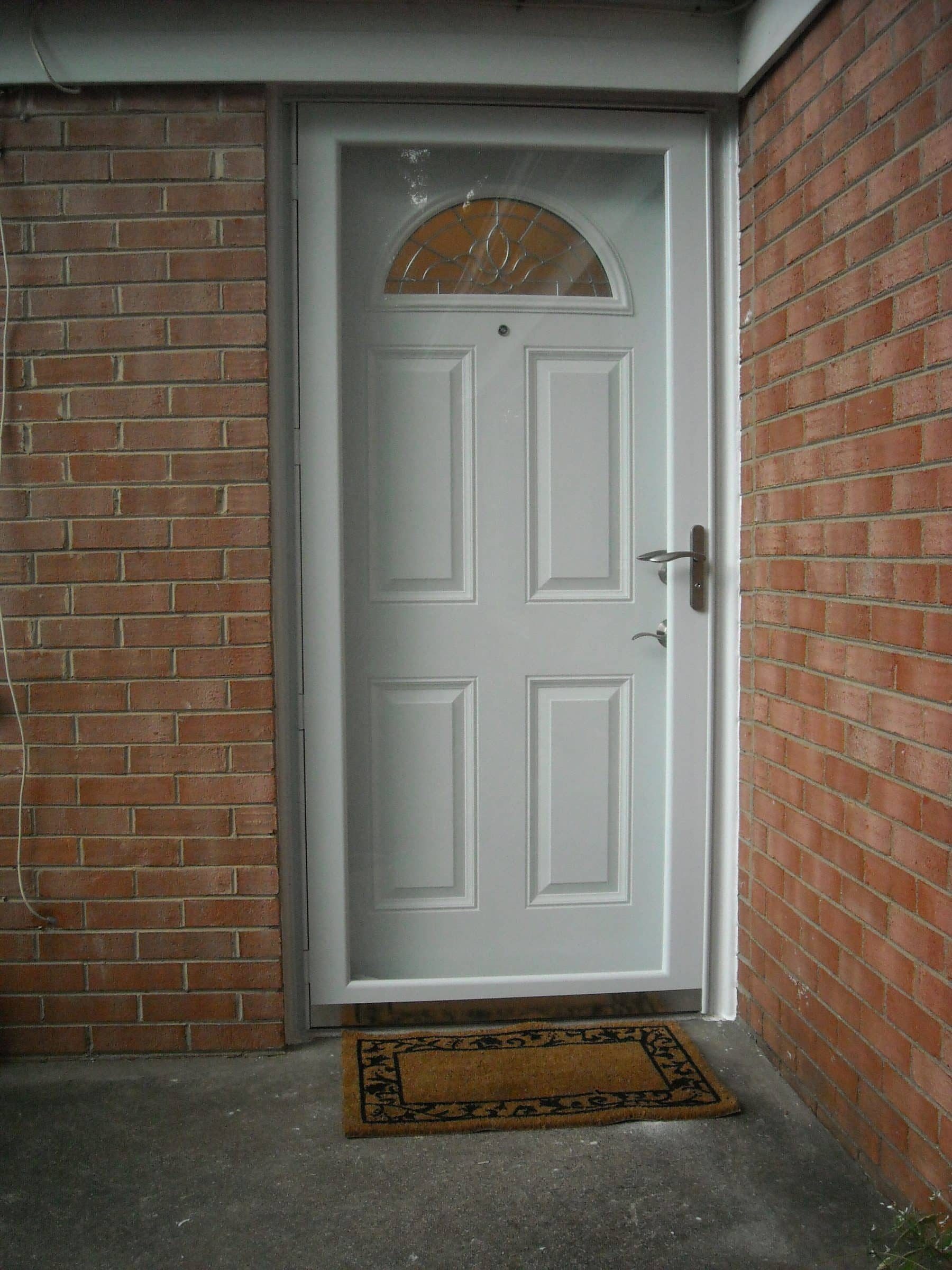
A drafty window, a sticking front door, a cracked caulk line, or a soft piece of exterior trim can make a homeowner wonder whether it is time for a full replacement. In Fredericksburg, Stafford, Spotsylvania, Woodbridge, Dumfries, Prince William County, and nearby Northern Virginia communities, the better first question is simpler: is this a part problem, an installation problem, or a water problem?
Most door and window problems are repairable when the frame and surrounding opening remain sound. Weatherstripping, hardware adjustment, recaulk, and trim repair can resolve comfort and maintenance issues without replacing the unit. Replacement makes more sense when the rot is widespread, the opening is badly out of square, or the same problem keeps returning after a proper repair. This guide helps you sort the symptoms before you request an estimate.
Why Fredericksburg Homes Need a Careful Diagnosis
Fredericksburg-area homes face a mixed-humid climate with heat, humidity, winter cold, heavy rain, and wind-driven storms. Wood swells and contracts as moisture changes, which is why a door that closes fine in March may rub in July, and a window that fits in humid weather may rattle in dry air. Repeated movement also cracks caulk and exposes small gaps.
Historic homes and pre-1978 homes add further constraints. In the Fredericksburg historic district, visible window, door, and trim replacements may require Architectural Review Board review, while routine maintenance and repair usually do not. In homes built before 1978, disturbing painted doors, windows, or trim can expose lead-based paint, which affects setup, cleanup, contractor selection, and cost.
Common Problems and What They Usually Mean
A Door That Sticks or Will Not Latch
A sticking door is rarely a replacement problem. Common causes include:
- Loose hinges
- A strike plate that needs adjustment
- A sweep dragging on the threshold
- Seasonal swelling in the wood
- Worn weatherstripping
- A storm door closer set too tight
- Minor house movement that shifted the opening
Tightening visible screws, clearing the threshold, or adjusting the storm door closer may be all that is needed. If not, hinge adjustment, strike realignment, weatherstripping or sweep replacement, and an out-of-square check are bounded repairs that fit within the doors and windows service. Replacement is worth discussing when the slab or frame is warped, the jamb or threshold is rotted, or the door still will not latch after adjustment.
Drafts, Daylight Gaps, and Rattling
Drafts usually come from air leakage, not from a bad door or window. U.S. Department of Energy guidance makes a useful distinction:
- Use caulk where stationary parts meet, such as trim, casing, and siding.
- Use weatherstripping where movable parts operate, such as a door slab or window sash.
- Use a sweep, door shoe, or threshold seal at the bottom of an exterior door.
Replacing simple weatherstripping or adding a basic sweep may be reasonable DIY. Call a handyman when the gap is uneven, the door gets hard to close after sealing, the window no longer locks, or the draft seems to come from behind the trim. Replacement is more likely when the frame is warped, the sash is damaged, or drafts return after proper sealing.
Cracked Caulk Around Doors and Windows
Cracked or missing caulk is a maintenance problem until it becomes a water problem. Recaulking is a sound repair when the joint is clean, dry, stationary, and the surrounding material is sound. Warning signs that the issue is bigger than caulk include:
- Soft or punky trim
- Paint that peels at the same joint repeatedly
- Staining on interior drywall or trim
- Musty odors near the opening
- Water stains that appear during wind-driven rain
- A gap wider than a normal sealant joint should span
Removing failed caulk from a small, dry, accessible joint and replacing it with the right exterior-rated product may be reasonable DIY. Never caulk over wet, moldy, dirty, or rotted material. Call a handyman when the joint needs prep, backer rod, trim repair, paint touch-up, or a closer look at whether water is getting behind the wall. For broader punch-list work, the repairs and maintenance service is the better starting point.
Water Intrusion Around a Door or Window
Water is the most important red flag. A bead of caulk can close a visible gap, but it may not fix the reason water reached that spot. Window and door openings are drainage assemblies that should let incidental water drain back out, so sealant alone should not be treated as the waterproofing layer.
Call a handyman or qualified professional when you see:
- Water stains below a window or door
- Soft trim, sill, subfloor, or wall material
- Repeated leaks after previous caulking
- Moldy smells or recurring paint bubbles
- Leaks that only happen during wind-driven rain
Some visible trim and finish repairs may fit routine handyman work. Larger hidden moisture, structural, siding, flashing, mold, or permit-specific issues should be reviewed by the right qualified professional before work begins.
Rotted Exterior Trim
Trim rot is usually a sign of chronic wetting, not just age. A small rotted section may be repairable once the water source is corrected, such as replacing a short piece of casing, repairing a sill nose, or fixing a drainage detail. Full replacement is usually unnecessary when the rot is limited to trim, the surrounding wood is firm, and the opening stays dry after the repair.
Replacement, or a larger opening repair, becomes more likely when rot extends into the frame, sheathing, subfloor, or structural support. Trim near porches, steps, deck areas, and weather-exposed entries may also overlap with outdoor construction work.
Fog Between Window Panes
Condensation on the room side of the glass can relate to indoor humidity and temperature. Fog or moisture between the panes is different: the insulated glass seal has failed. Caulk will not fix failed seals. Depending on window age, brand, and frame condition, the practical options are sash replacement, glass unit replacement, or full window replacement.
Repair or Replace? A Practical Homeowner Checklist
Ask these questions before deciding what you want done:
- Is the problem comfort-related, such as drafts, rattles, or minor sticking?
- Is the frame, sill, jamb, and surrounding wall still firm?
- Does the door or window lock securely?
- Is the damage limited to caulk, weatherstripping, sweep, screen, or trim?
- Is there active water entry, staining, moldy odor, or soft material?
- Has the same problem come back after prior repairs?
- Is the home in a Fredericksburg historic district or HOA-controlled community?
- Was the home built before 1978?
- Are replacement parts still available?
- Would replacement affect egress, safety, structure, or local review requirements?
If most answers point to a sound opening with localized wear, repair is usually the first conversation. If they point to recurring leakage, widespread rot, unsafe operation, obsolete parts, or opening movement, replacement or a broader repair review may be more practical.
When Repair Usually Makes Sense
Repair is often the better value when the unit is basically sound and the problem is specific: worn weatherstripping, a misaligned strike plate, a failed caulk joint, localized trim rot after the water source is addressed, or a torn screen. If you have several small issues across doors, windows, trim, paint, and exterior details, the services overview may help you group them into one seasonal maintenance list before requesting an estimate.
When Replacement Usually Makes More Sense
Replacement becomes more reasonable when the existing unit has more than one serious failure, or when the opening itself is no longer sound:
- Widespread rot in the frame, sill, jamb, or surrounding wall
- Repeated leakage after proper repair attempts
- A door or window that cannot lock securely
- A badly warped door slab or window sash
- A severely out-of-square opening
- Fogged insulated glass on an older unit with poor parts availability
- Storm door frame damage that makes adjustment ineffective
- Energy, safety, egress, preservation, and maintenance goals all pointing toward replacement
In a historic area, appearance, dimensions, profiles, and local review requirements matter. In some older homes, repairing existing wood windows and adding storm windows or panels may be a better first option than full replacement.
DIY, Handyman, or Specialist?
DIY May Be Reasonable For
- Cleaning tracks, thresholds, and storm door weep holes
- Tightening visible hardware
- Replacing simple weatherstripping with a matching profile
- Installing a basic door sweep where the door still closes properly
- Recaulking a small, dry, stationary joint
- Touching up small paint failures after the area is dry and sound
Stop if you find soft wood, active leaks, moldy material, unsafe access, lead-paint concerns, or structural movement. Those turn maintenance into diagnosis.
A Handyman May Be a Good Fit For
- Door and storm door adjustment
- Weatherstripping and sweep replacement
- Minor trim repair and replacement
- Caulk removal and replacement
- Small screen repairs
- Interior and exterior finish repairs
- Door hardware replacement where the opening and lock function remain straightforward
- Small repair lists across doors, windows, trim, paint, and maintenance items
For Melvin's Handyman Services, these are typically the visible, bounded repair issues that can be reviewed from photos or during an estimate visit. Final scope depends on the actual condition of the opening, materials, access, and finish expectations.
A Qualified Specialist or Permit Review May Be Needed For
- Structural framing, headers, sagging floors, or major settlement
- New electrical work, circuit changes, panel work, or unsafe electrical symptoms
- Plumbing leaks inside walls, drain relocation, or water supply changes
- HVAC, gas, fuel-fired appliance, or venting work
- Large siding, flashing, or building-envelope failures
- Mold remediation or contaminated water damage
- Work requiring permits, inspections, HOA approval, or historic-district review
- Pre-1978 work where lead-safe procedures apply
Do not treat unsafe, hidden, licensed-trade, structural, or permit-specific work like a simple door tune-up.
Seasonal Maintenance Tips
Small checks once or twice a year can prevent expensive repairs later.
- Spring: wash window tracks, screens, thresholds, and storm doors. Check exterior caulk after winter movement and clear weep holes.
- Early summer: watch for doors that start sticking as humidity rises, and adjust sweeps or hinges before forcing a door damages the latch area.
- Fall: check for drafts before heating season, replace worn weatherstripping and sweeps, and recaulk suitable dry joints while weather allows proper curing.
- After major storms: look for new staining around windows and doors, and photograph problems before surfaces dry if you plan to request an estimate.
What to Send When Requesting an Estimate
Clear details help separate a simple repair from a bigger project. When contacting Melvin's Handyman Services, include:
- Your address and local jurisdiction, if known
- Approximate age of the home, especially if it may be pre-1978
- Photos from outside, inside, and close up, plus a photo with a tape measure for scale
- When the symptom happens, such as after rain, during humidity, or in winter
- Whether there is staining, soft wood, moldy odor, or active water
- Whether you want repair, replacement, or advice on which makes sense
- Any HOA, historic district, access, parking, or scheduling notes
Exact pricing, timing, material choices, and final scope depend on reviewing the project details. A drafty door and a leaking door may look similar in one photo, but they can require very different repairs.
Request an Estimate From Melvin's Handyman Services
If you are dealing with a sticking door, drafty window, failed caulk, storm door problem, screen issue, or exterior trim concern in Fredericksburg or nearby Northern Virginia communities, Melvin's Handyman Services can review the details and help you choose the practical next step.
The goal is not to replace parts that can be repaired, or to patch over problems that need deeper attention. It is to understand the condition of the opening, fix what is appropriate, and identify when a larger repair, replacement, permit review, or qualified specialist is the better path.
To start, send photos and project details through the contact page. Include what you are seeing, when it happens, and any water, safety, historic-district, or pre-1978 concerns.